
Story First, Camera Second
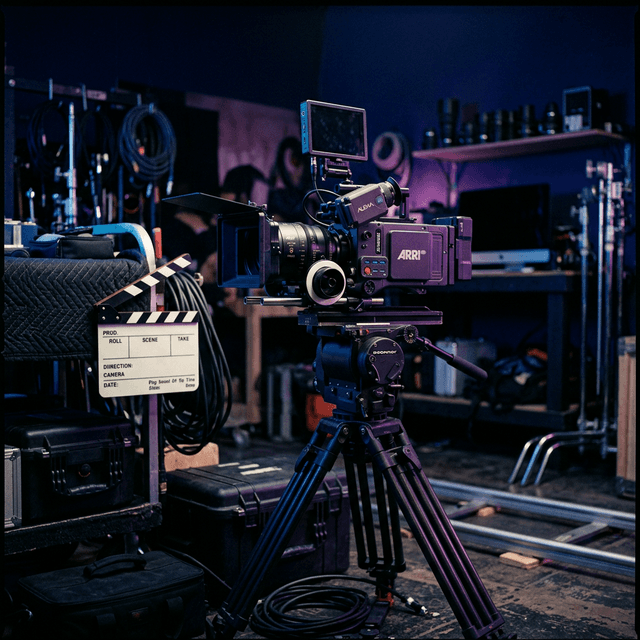
The biggest mistake new filmmakers make is thinking about camera gear before they think about story. A compelling story filmed on a smartphone beats a boring one on an ARRI.
The Three-Act Structure
Almost every successful film follows this arc:
- Act 1 (25%) – Setup: Introduce characters and world
- Act 2 (50%) – Confrontation: Rising conflict and complications
- Act 3 (25%) – Resolution: Climax and conclusion
Essential Shot Types
| Shot | Purpose |
|---|---|
| Extreme Wide Shot | Establish location |
| Wide Shot | Show full character in environment |
| Medium Shot | Waist-up dialogue scenes |
| Close-Up | Emotional reaction |
| Extreme Close-Up | Detail or intensity |
Camera Movement
Movement adds energy and emotion:
- Pan – Horizontal rotation on tripod
- Tilt – Vertical rotation on tripod
- Dolly – Physical camera movement on track
- Handheld – Raw, documentary feel
- Gimbal – Smooth, flowing movement
Lighting for Narrative
Three-point lighting is the Hollywood standard:
- Key Light – Main source, creates form
- Fill Light – Reduces shadows from key
- Back Light – Separates subject from background
Audio is 50% of Film
Bad audio kills good visuals. Always:
- Record separate audio with a dedicated recorder
- Use a directional (shotgun) microphone
- Monitor audio with headphones during recording
- Aim for -12 to -6 dB recording levels
Your First Short Film
Start with a 3-minute short. Write a 1-page script. Film it in a single location with 2 characters. Edit it. Show it. Learn from feedback. Repeat.
Frequently Asked Questions
A smartphone with a good camera, a basic tripod, and a lavalier microphone is enough to start.